VortexAccel
VortexAccel
VortexAccel
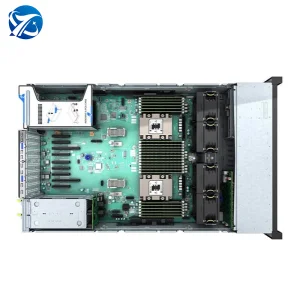
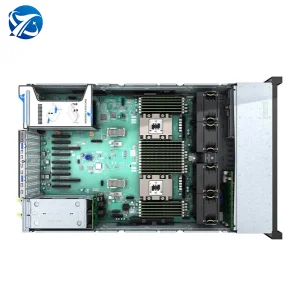
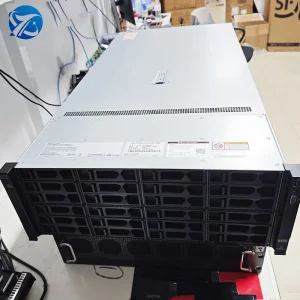
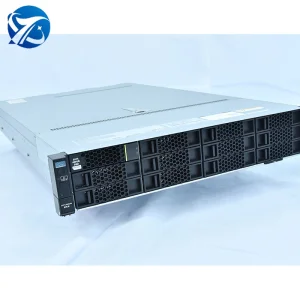
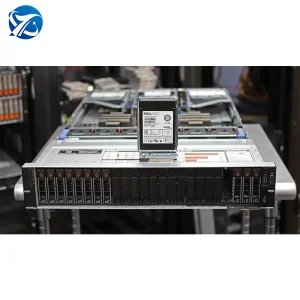
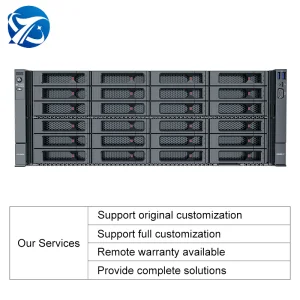
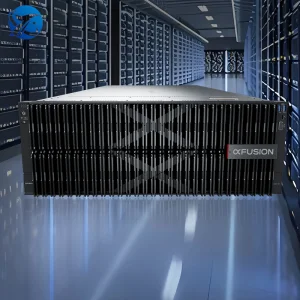
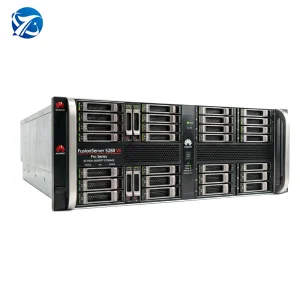
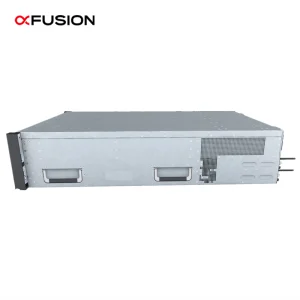
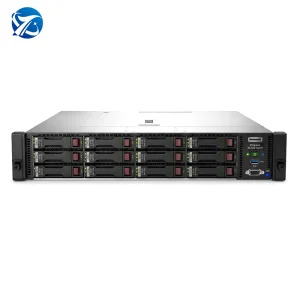
Optimized network node appliances, mission-critical GPU computing platforms, and high-density virtualization engines configured to your custom specification.
Industrial-scale production integrated with hardware-level monitoring solutions. We build systems that secure, control, and accelerate globally distributed enterprise workloads.
In the modern data center landscape, the boundary between hardware and network management software has dissolved. Modern infrastructure deployments require a cohesive integration of bare-metal computing resources with deep out-of-band monitoring capability. VortexAccel Systems Ltd stands at the forefront of this convergence, serving as a specialized OEM network management tools manufacturer and hardware factory. Our focus centers on delivering highly customizable computing modules equipped with open-source and proprietary platform telemetry, including Redfish APIs, Intelligent Platform Management Interface (IPMI) protocols, and customizable Network Management Cards (NMC).
As enterprise networks adapt to high-velocity artificial intelligence and machine learning pipelines, standard out-of-the-box servers fall short. They lack the bespoke monitoring hooks, customized ASIC management microcode, and low-latency network telemetry required to prevent localized processing bottlenecks. By designing and building custom network nodes, management appliances, and high-density GPU racks, we enable system integrators and tier-two cloud providers to orchestrate complex clusters with absolute physical and digital transparency.
How next-gen protocols, deep telemetry, and telemetry streaming are reshaping enterprise networking.
Traditional SNMP pulling methods are yielding to streaming telemetry based on gRPC protocols. Modern management nodes process thousands of parameter metrics in real-time, leveraging artificial intelligence engines to predict failure loops before physical link degradation occurs.
Disruptive incidents require remote infrastructure recovery capabilities independent of the main OS. The modern standard demands fully isolated management cards that operate over dedicated copper or fiber loops, giving administrators complete remote console access during main OS lockups.
Hardware networks are steadily decoupling from proprietary software locks. Modern enterprises expect OpenBMC firmware support, allowing internal IT engineering divisions to flash, optimize, and secure their internal management tools without OEM software licenses.
Addressing the complex technical integration, supply security, and testing compliance factors required by modern procurement officers.
Enterprise infrastructure buyers look beyond basic processing specifications. Global procurement operations demand high-integrity manufacturing processes that secure both hardware supply chains and operating firmware. Our industrial customers mandate compliance with key hardware design considerations:
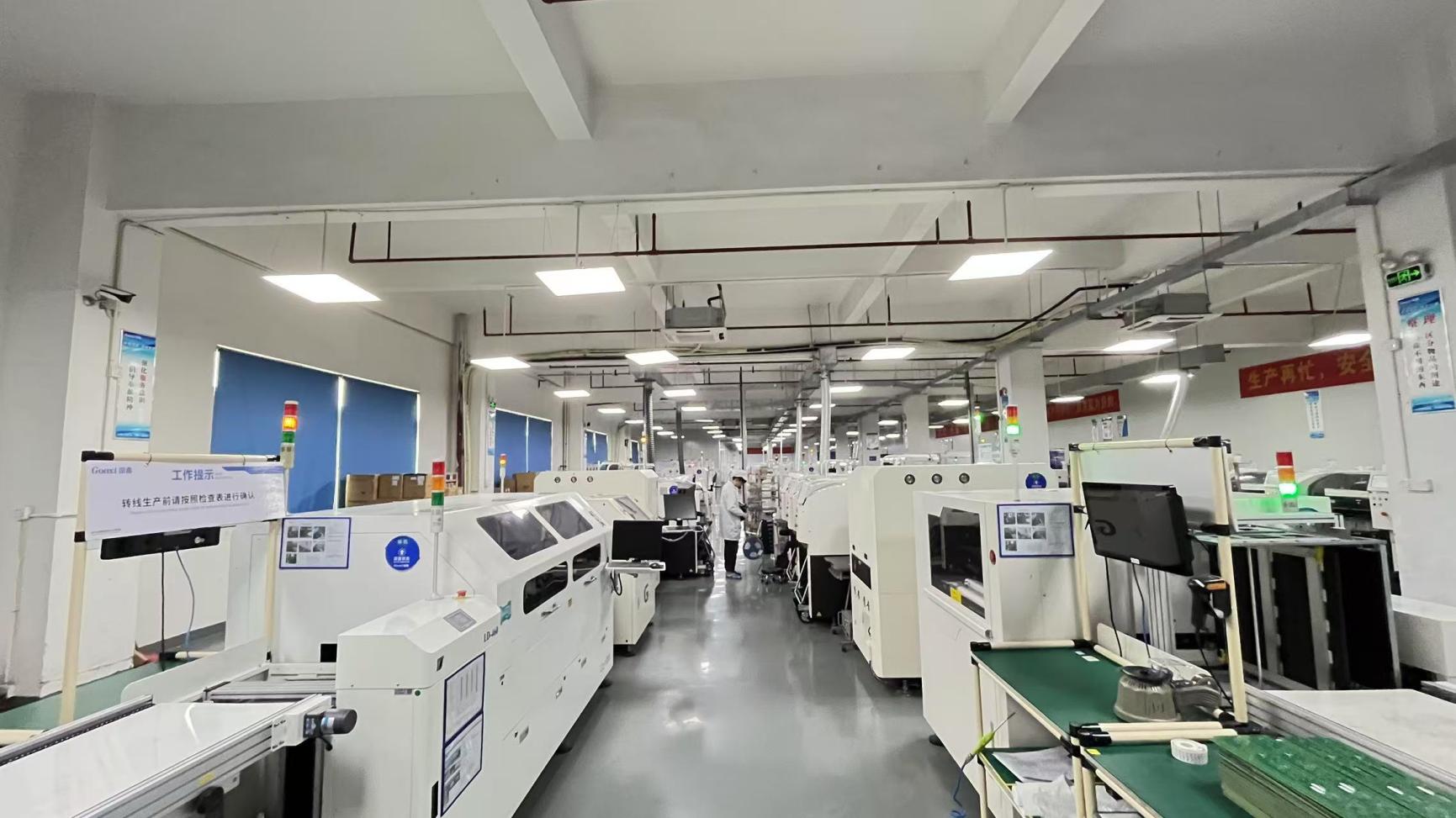
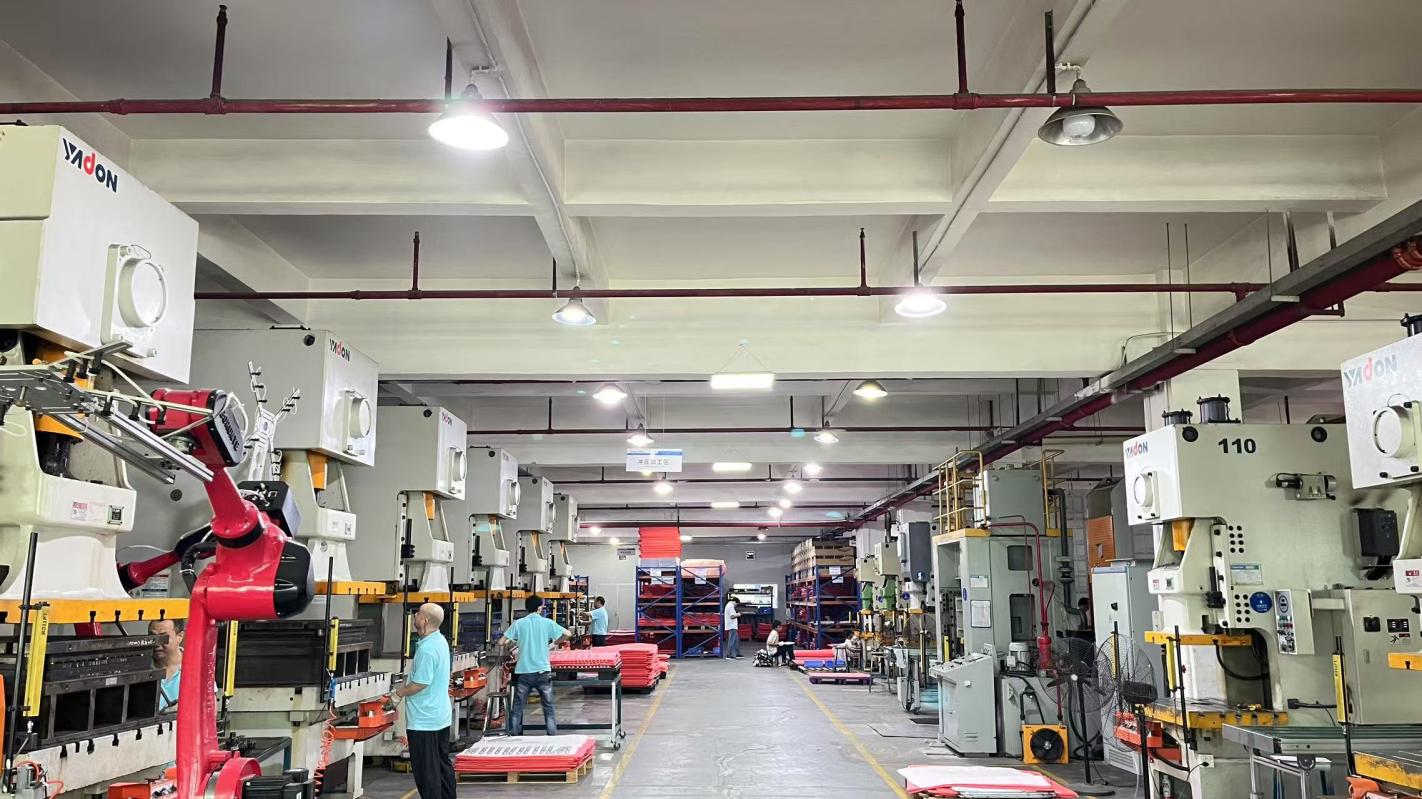
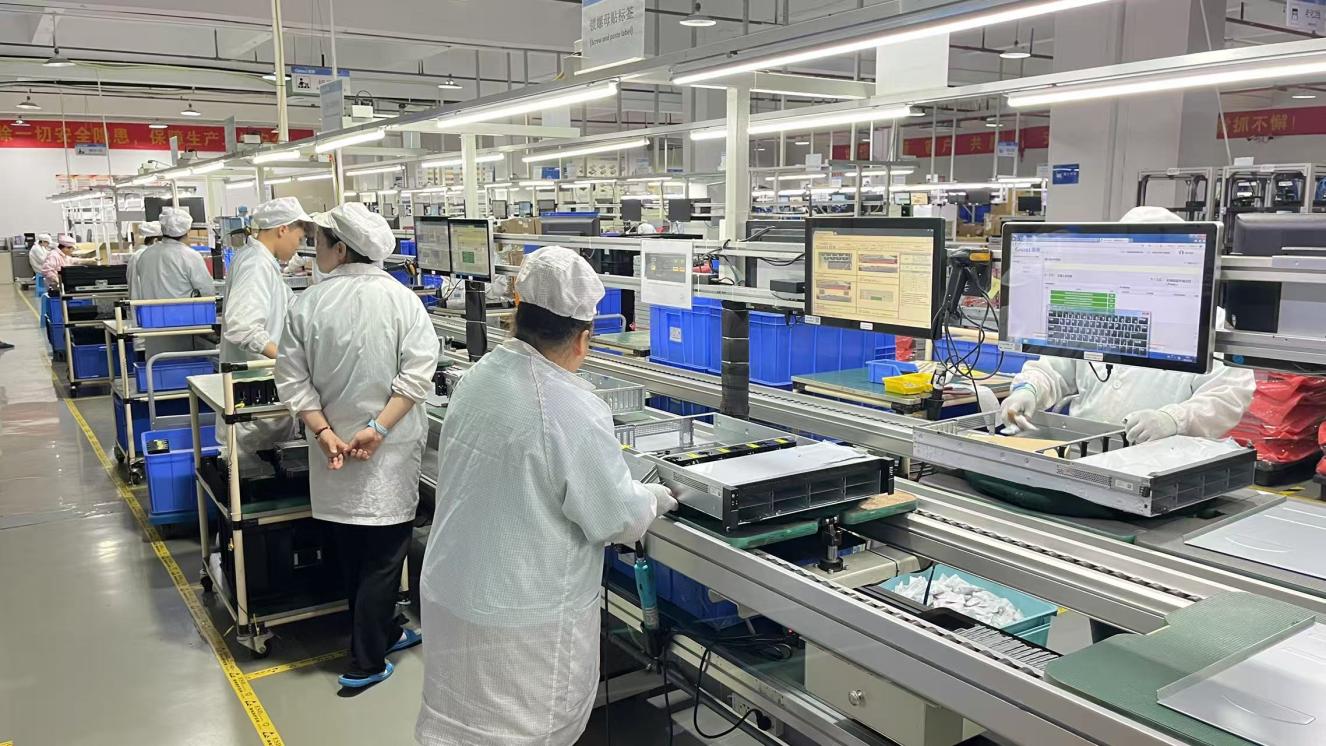
By operating an 18,500 square meter ISO-aligned factory and employing 42 quality control professionals, VortexAccel Systems Ltd ensures every shipped node passes rigorous burn-in protocols, thermal stress simulations, and raw GPU/NIC throughput validations. We remove the uncertainty associated with white-label server integration by providing enterprise warranty pathways, reliable component pipelines, and robust lifecycle support.
Deploying specialized computational topologies across various application scenarios.
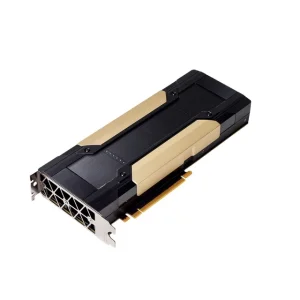
Deploying high-density GPU nodes requires significant power planning and advanced high-speed networking configurations. We build systems optimized for RoCEv2 (RDMA over Converged Ethernet) and InfiniBand fabrics, featuring custom network diagnostic tools pre-installed on independent baseboard controllers to ensure maximum cluster uptime.
For large-scale cloud applications, we configure high-core compute servers with custom SmartNIC integration. These solutions offload core virtualization processing directly to specialized network cards, boosting overall hypervisor efficiency while providing direct hardware-level bandwidth shaping.
Edge networks require ruggedized systems that operate in sub-optimal environments. Our short-depth OEM models are engineered to operate reliably in extended temperature ranges, featuring robust remote out-of-band monitoring systems designed for sites without local IT staff.
VortexAccel's engineering vision for next-generation data center architectures.
As transmission standards evolve from 400G networks to 800G and 1.6T fabrics, traditional diagnostic architectures face limits in processing speed and buffer capacity. VortexAccel's engineering department is actively developing solutions to meet these future demands:
1. CXL (Compute Express Link) Topology Integration: We are designing management boards capable of mapping unified, low-latency memory spaces shared between dynamic CPU cores, hardware accelerators, and smart network interfaces. This simplifies management systems by treating remote memory pools as local system resources.
2. SmartNIC/DPU Dedicated OS Integration: Our future roadmap prioritizes micro-appliances where diagnostic tools run directly on SmartNICs or Data Processing Units (DPUs). By shifting these monitoring processes away from the host CPU, we secure critical management functions even during major system failures.
3. Advanced Liquid Loop Telemetry: With increasing thermal design power (TDP) requirements for modern processors, liquid cooling is transitioning from a specialized option to an industry standard. Our newer motherboards feature integrated sensors that track coolant flow, detect leaks, and monitor pressure directly through out-of-band management interfaces.
Navigating regional electronics standards and global supply regulations.
Deploying infrastructure globally requires strict compliance with diverse regional electronics and safety standards. VortexAccel designs and manufactures compute platforms to meet key global regulations:
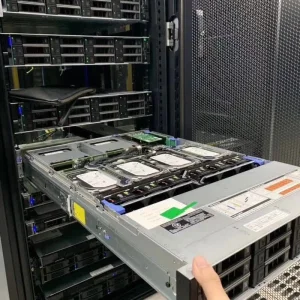
Take an inside look at our 18,500 square meter factory, featuring dedicated integration assembly lines and advanced thermal testing chambers.
Detailed technical answers for systems engineers, network architects, and procurement officers.
Explore additional system architectures, storage arrays, and GPU computing options to round out your data center footprint.