VortexAccel
VortexAccel
VortexAccel
Direct factory supply featuring optimized low-latency network architectures and robust computing nodes.

Why Modern Optical Layer 3 Switches are Essential to Brazil's Largest Economic Ecosystem.
São Paulo, specifically municipal clusters like Barueri, Tamboré, and Campinas, serves as the epicentre of South America's data center market. Boasting hyperscale zones for international clouds, the region demands robust optical connectivity. With the rise of high-speed cloud clusters and high-frequency trading networks on the B3 Stock Exchange, legacy 1G/10G switches are quickly becoming bottlenecks, paving the way for 40GE optical cores.
Brazil represents a highly profitable but complex market due to import tariffs and strict ANATEL homologation parameters. Enterprise buyers and local ISPs in São Paulo look for direct-from-factory partners who understand global freight logistics, product customizability, and compliance pathways. Working with an experienced exporter ensures that core switches bypass long transit holds and reach localized datacenters seamlessly.
With over 20+ Tbps of peak traffic managed by IX.br (Brasil Internet Exchange) in São Paulo, networks must operate non-blocking switching architectures. Incorporating Layer 3 static routing, dynamic BGP routing, and stackable virtual switches (IRF2) ensures local enterprise backbones resist localized congestion issues, maintaining high availability for financial platforms and enterprise portals.
High-grade components, meticulous engineering, and scale efficiencies that reduce cost while maximizing performance.
VortexAccel Systems Ltd (vortexaccel.com) is a leading AI GPU server manufacturer and infrastructure provider, with extensive domain expertise in high-performance computing (HPC) and robust data-center switches. Established in March 2016, we bring 7 years of active export experience and 11 years of deep industry expertise to the table.
Our expansive 18,500㎡ facility features ISO-aligned assembly lines designed to support complex custom orders. Whether it is Layer 3 core switches, 10G/40G/100G transceivers, or high-density rack servers, our global footprint ensures your enterprise stays ahead of the technology curve.
Reliability is paramount when deploying networking hardware inside distant datacenters where servicing incurs high logistics costs. VortexAccel deploys a rigorous quality control program led by 42 QC specialists.
Every single unit undergoes automated firmware validation, thermal stress tests to verify integrity at elevated ambient temperatures, and multi-stage traffic emulation to guarantee zero packets are dropped at wire speed. This strict process ensures our products deploy plug-and-play in São Paulo.
Network infrastructures are rarely one-size-fits-all. Our team of 320 R&D engineers designs and optimizes hardware configurations, thermal management solutions, and specialized firmware adjustments to sync switches with high-density GPU stacks.
We work alongside global distributors and system integrators to configure stackable port maps, multi-gigabit uplinks, and redundant power supplies. This flexibility enables customized clusters engineered to meet specific localized energy standards and high-density rack setups.
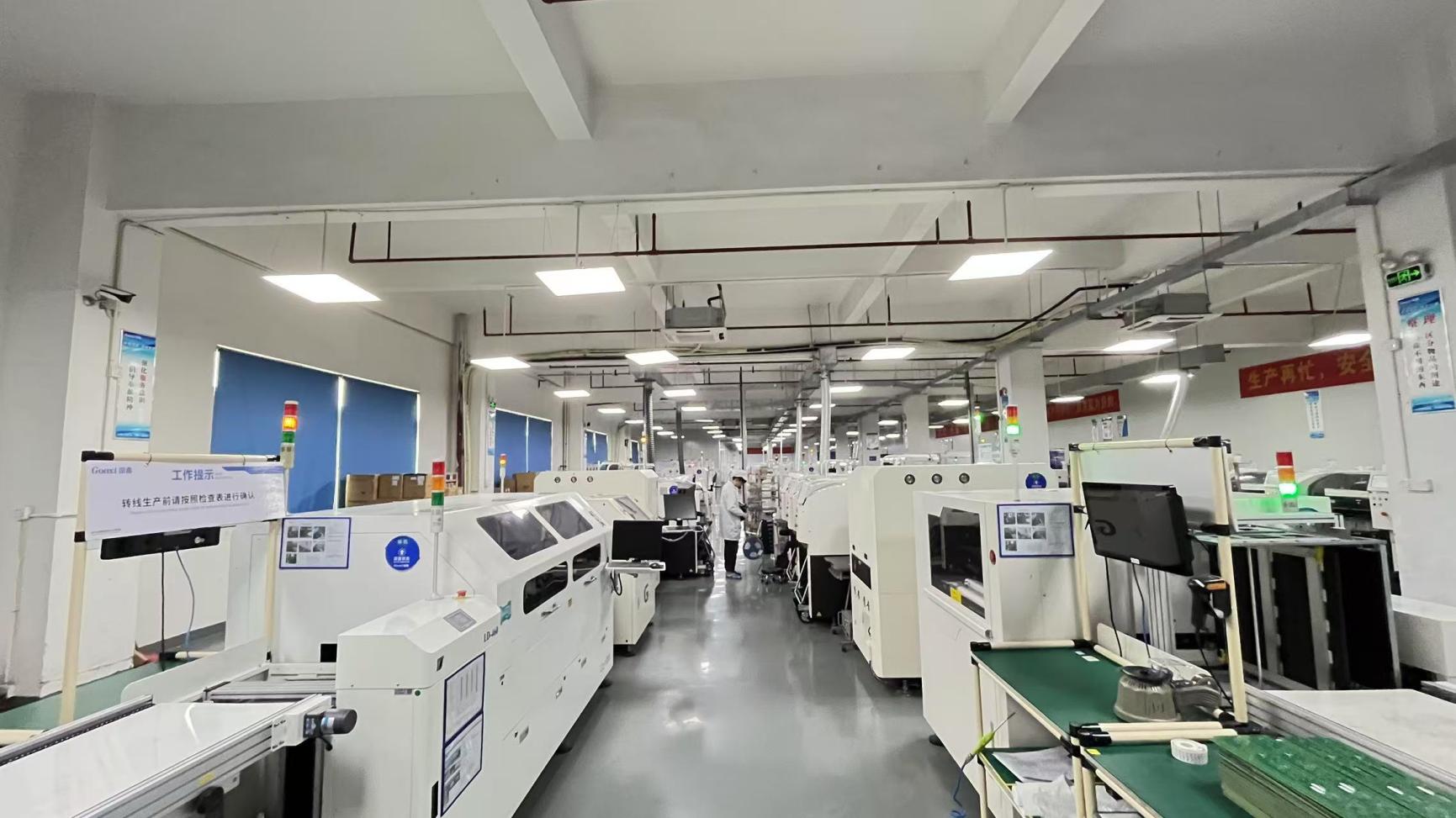
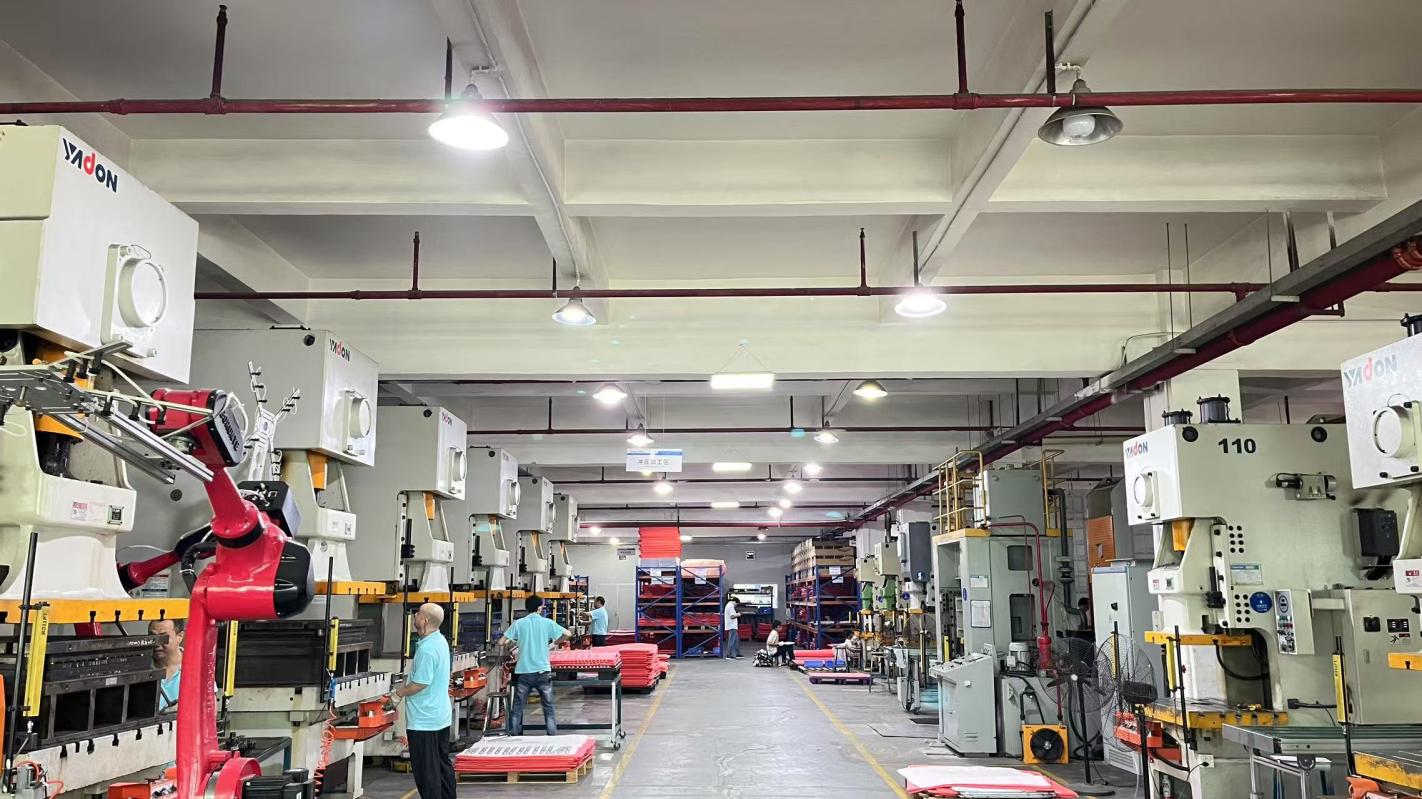
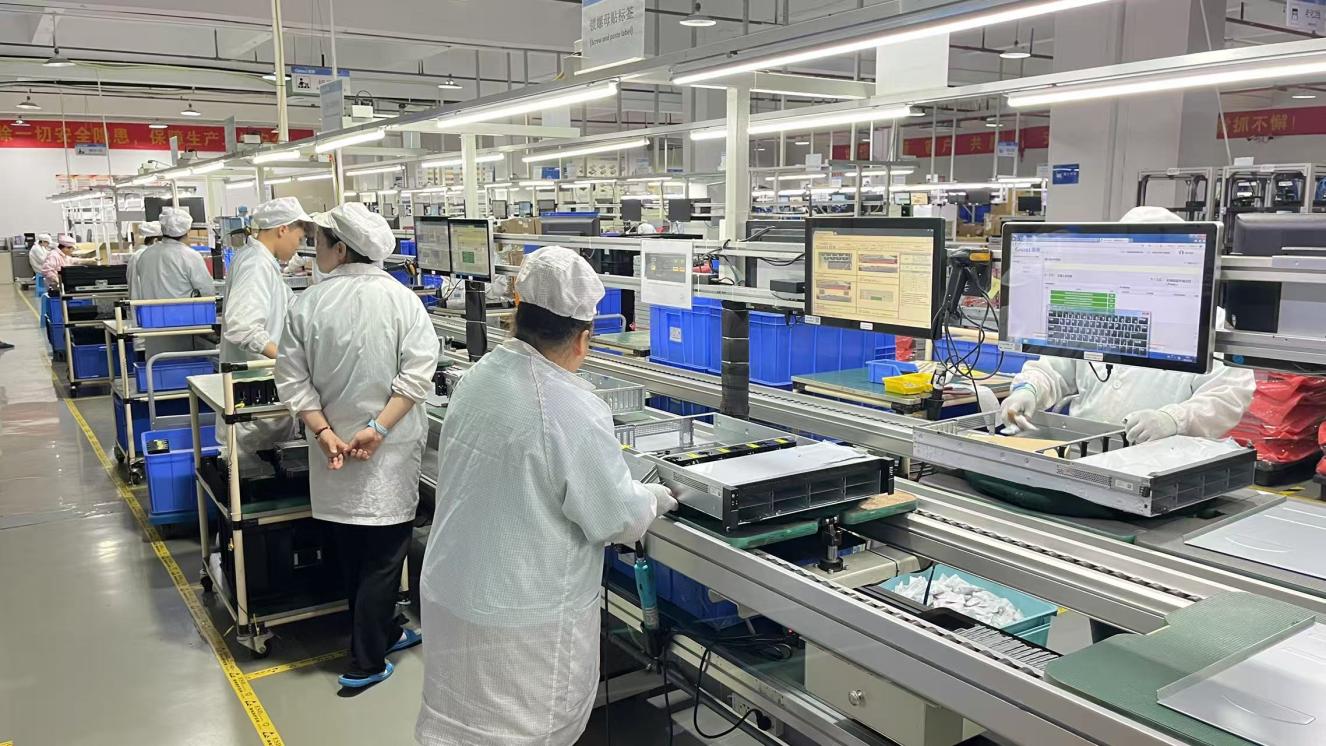
Optimized designs tailored to critical commercial, cloud, and industrial operations.
Our Layer 3 10G/40G optical switches serve as the aggregation layer for top-tier colocation centers in São Paulo. Supplying high bandwidth density, they accommodate virtualization demands, SDN-controlled flows, and multi-tenant isolation protocols like VXLAN.
AI model training and deep learning inference (such as DeepSeek deployments) require low-latency non-blocking fabrics. Connecting servers with high-speed PCIe network cards to core optical switches allows rapid GPUDirect RDMA transfers, eliminating cluster latency.
São Paulo handles the bulk of South America's digital transactions. Our enterprise network switches prioritize transactional data packets using advanced QoS, ensuring line-rate switching speeds and millisecond-level failovers for banking grids.
Staying competitive means understanding the shift toward software-defined networking, increased density, and green energy compliance.
As corporate IT transitions from hybrid models to cloud-native setups, standard gigabit networks are falling behind. High-density optical switches are crucial to managing massive data volumes. Let's look at the key technologies shaping modern enterprise procurement:
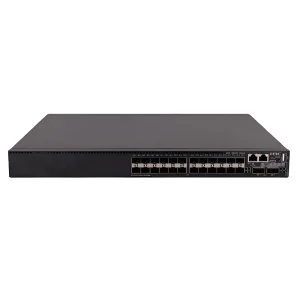
Copper cables (RJ45) present limitations in distance, power draw, and latency when handling high-speed data. Modern enterprises are moving to optical fiber architectures using SFP28 (25G) and QSFP28 (100G) transceivers. An all-optical Layer 3 Core switch, like the H3C S6520X-30QC-EI, enables network engineers to route packets directly at the core layer, reducing hops and latency across subnets.
Proprietary software ecosystems restrict hardware utility. Large scale purchasers are shifting toward Open Networking. Decoupling the NOS (Network Operating System) from hardware allows systems administrators to run open platforms like SONiC. This transition enables scalable automation, simplified routing policies, and reduced maintenance licensing costs.
Electricity in Brazil is expensive, and data center cooling is a significant operational cost. Modern switches are designed with smart, front-to-back variable speed fans and power units optimized for high efficiency. System designs must align with thermal parameters that control power consumption when ports are idle.
Clear answers regarding switch configurations, logistics, compliance, and deployment in Latin American networks.
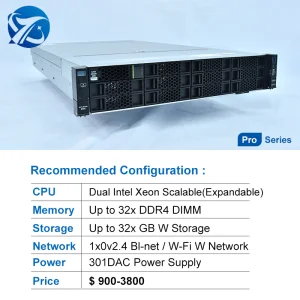
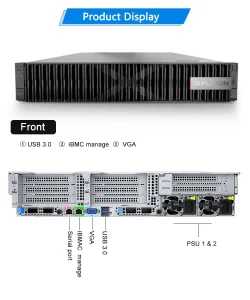
Industrial-grade networking products, high-density server nodes, and memory options optimized for Latin American cloud architectures.
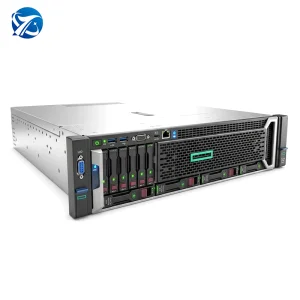
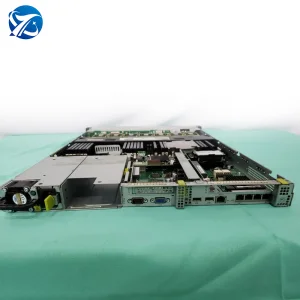


Ensure maximum throughput and storage efficiency in your systems with compatible network components.
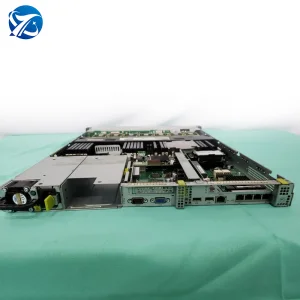
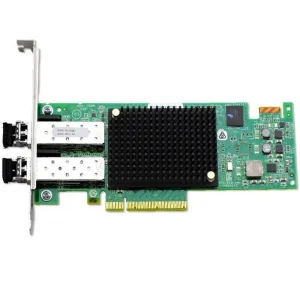
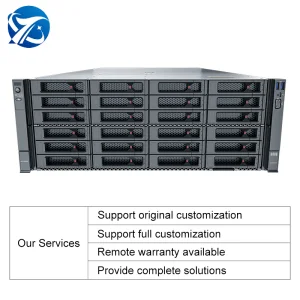

Get in touch with our engineering team for customized switch programming, bulk pricing options, and complete logistics guides for Brazilian imports.